Where Salt Air Meets Thoughtful Design
Fernandina Beach is not a typical Florida suburb. It is a barrier island town with Victorian architecture along Centre Street, live oak canopies dripping with Spanish moss, and neighborhoods that range from historic cottages to modern coastal estates. The landscape here must contend with sandy soil, salt spray, relentless summer humidity, and wind exposure that most inland designers never consider.
As Fernandina Beach's local landscape design studio, we understand these conditions intimately. Our office at 2717 South Fletcher Avenue places us within the same coastal environment our clients live in. We see the same nor'easters, the same king tides, the same August heat. That proximity means our plant selections, drainage solutions, and material choices are tested by the same forces that will shape your landscape for decades.
The sandy, well-draining soils of Amelia Island favor certain species and frustrate others. We select native and adapted plants — muhly grass, coontie palm, saw palmetto, yaupon holly, beautyberry — that thrive without constant irrigation or chemical intervention. The result is a landscape that looks intentional, not forced. Something that belongs here.
Hardscaping in Fernandina Beach requires materials that withstand salt air, sandy soil conditions, and Florida's intense UV exposure. We install natural stone patios, coquina walkways, retaining walls, and custom driveways using stone hand-selected for coastal durability and character. Every hardscaping project we build in Fernandina Beach is designed to complement the natural landscape rather than dominate it — permeable pavers that allow drainage, low-profile retaining walls that follow the natural grade, and stone terraces that feel like extensions of the island itself.
Whether you need a complete landscape design for a new Fernandina Beach property or a focused hardscaping transformation for an existing yard, our team approaches every project with the same site-specific methodology. Fernandina Beach homeowners consistently choose Bloom and Stone because we combine artistic design vision with practical coastal construction knowledge — the kind of expertise that only comes from building on this island for years.
Fernandina Beach Communities
From the historic district to the oceanfront, every neighborhood on Amelia Island presents unique design opportunities.
Historic Downtown & Centre Street
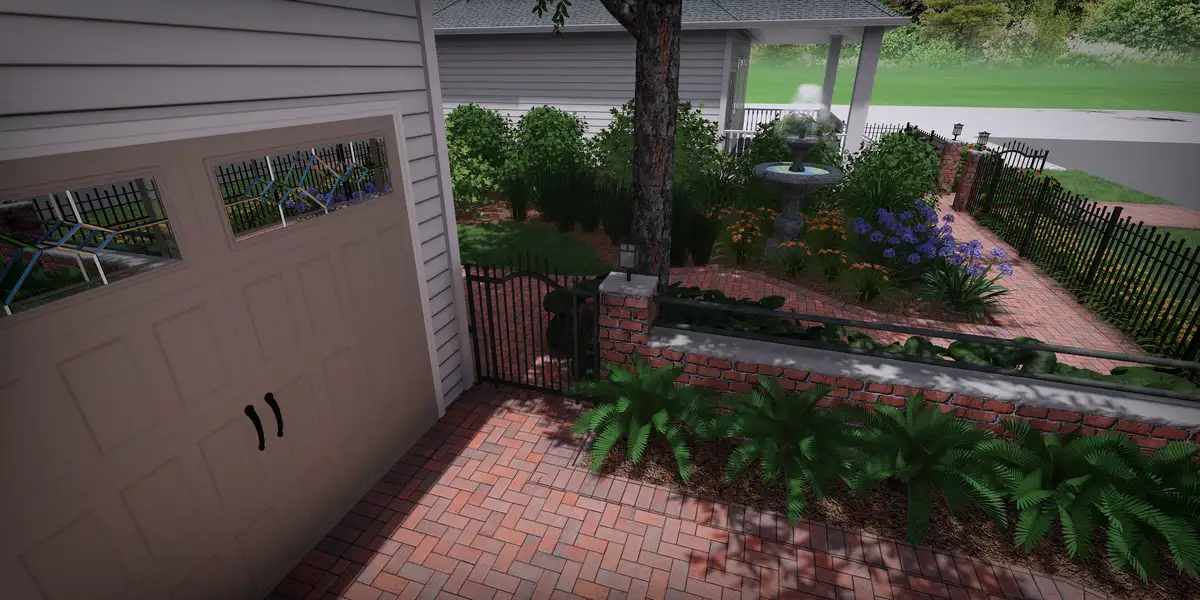
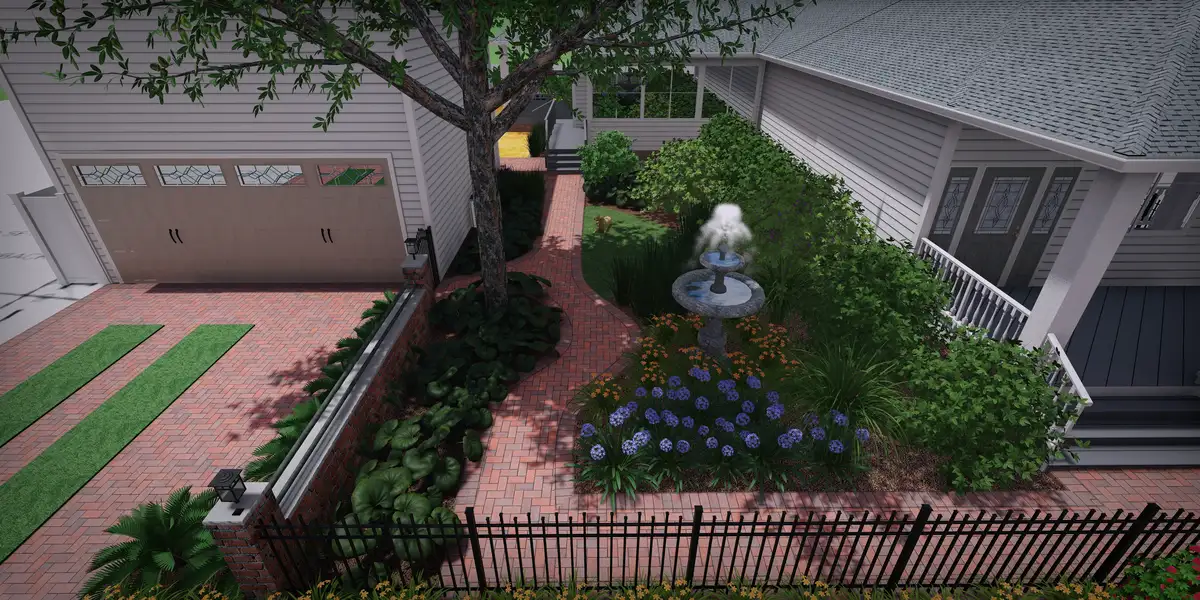
The blocks surrounding Centre Street are defined by Victorian and Queen Anne homes, many built in the late 1800s. Landscape design here must respect the architectural period while meeting modern livability expectations. We design foundation plantings, courtyard gardens, and front walks that complement the historic character without competing with it. Plant choices lean toward heritage varieties — camellias, azaleas, tea olives — that a Victorian homeowner might recognize.
Amelia Island Plantation & South End
The south end of the island includes Amelia Island Plantation, The Ritz-Carlton, and several gated communities where landscape standards are exacting. Properties here face direct ocean exposure, and HOA guidelines often dictate plant palettes and hardscape materials. We design within those parameters while creating outdoor spaces that feel personal, not institutional. Our experience with coastal-rated pavers, salt-resistant plantings, and wind-tolerant screening makes these projects feel effortless.
Fort Clinch & North End
Properties near Fort Clinch State Park benefit from mature maritime forest canopy but also deal with deep shade, root competition from live oaks, and the constant leaf litter that comes with old-growth trees. We design shade gardens and understory plantings that work beneath existing canopy rather than fighting it. Ferns, native ground covers, and sculptural hardscape elements create interest where sun-loving plants would struggle.
The Intracoastal & Marsh-Side Properties
Homes along the Intracoastal Waterway and the Amelia River enjoy stunning marsh views but face unique drainage challenges. Tidal influence, high water tables, and flood zone requirements shape every design decision. We use elevated planting beds, permeable hardscape, and salt-marsh-edge plantings like spartina and juncus to create landscapes that transition gracefully from cultivated yard to wild marsh without erosion or runoff issues.
Designing for Fernandina Beach's Coastal Environment
Every landscape project on Amelia Island begins with the same question: how will salt, wind, and sand shape this space over time? Coastal landscapes fail when designers treat the environment as a problem to solve rather than a context to embrace.
Our approach starts with soil. Amelia Island's sandy substrate drains rapidly, which means traditional irrigation schedules waste water and nutrients leach away quickly. We amend selectively, building organic matter in planting beds while leaving permeable areas to handle stormwater naturally. Hardscape materials are chosen for salt resistance — natural stone, marine-grade metals, composite decking rated for coastal exposure.
Wind is the second consideration. South Fletcher Avenue properties face direct Atlantic exposure, while homes tucked behind the dune line experience different wind patterns entirely. We design windbreaks using native species like wax myrtle and red cedar that filter wind without creating a wall, and we position outdoor living spaces to take advantage of prevailing breezes while sheltering dining and seating areas.
Services Available in Fernandina Beach
Complete outdoor design and installation from our home base on South Fletcher Avenue.
Landscape Design
Custom planting plans using native and salt-tolerant species suited to Fernandina Beach's coastal soils and exposure.
Hardscaping
Patios, walkways, and retaining walls built with marine-rated materials that endure salt air and coastal weather.
Outdoor Living & Backyard Makeovers
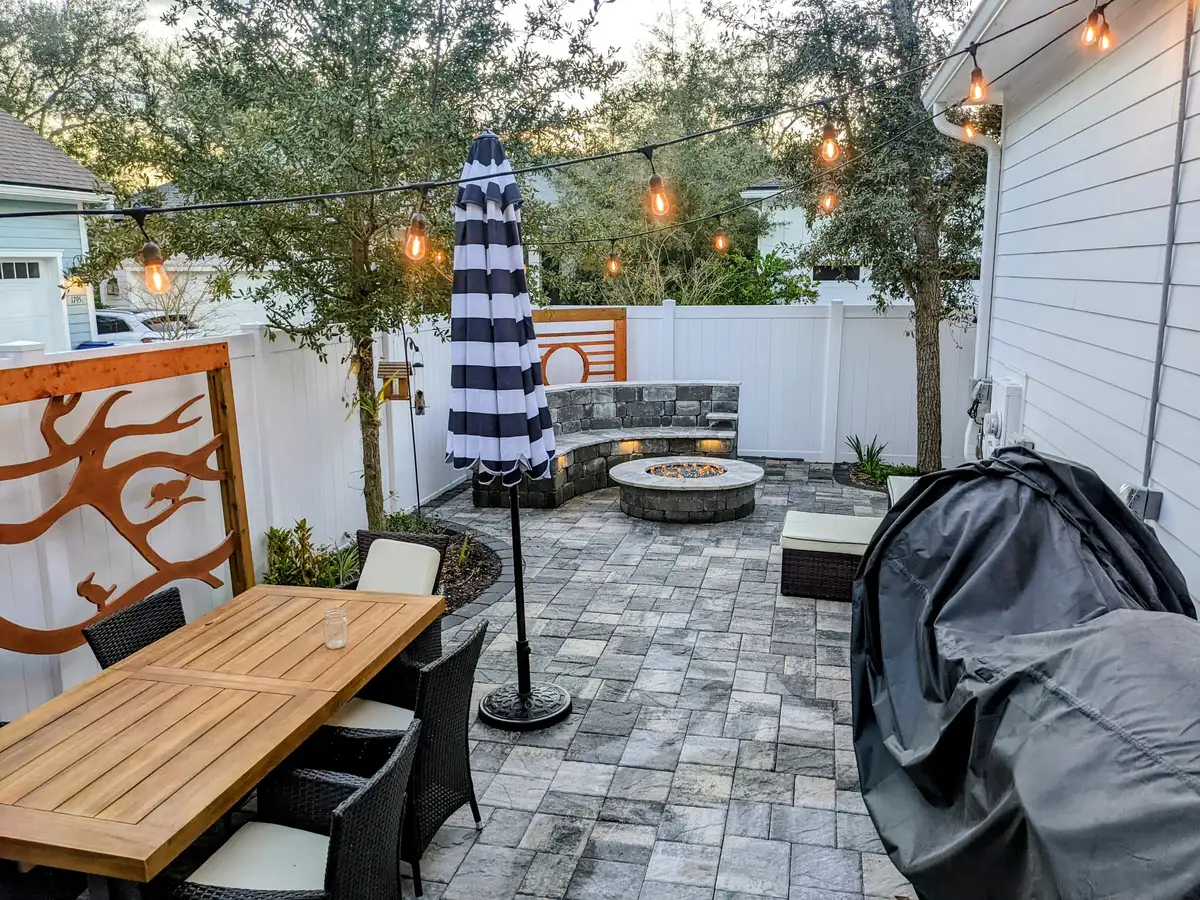
Complete backyard makeovers in Fernandina Beach -- outdoor kitchens, pergolas, and gathering spaces designed to capture island breezes and ocean views.
Water Features
Fountains, ponds, and rain gardens that complement the island's natural water table and marsh environment.
Landscape Lighting
Low-voltage path and accent lighting with marine-grade fixtures rated for coastal salt exposure.
Fire Pits & Fire Features
Custom stone and masonry fire pits designed for cool island evenings and year-round entertaining.
What Fernandina Beach Homeowners Say
"They understood exactly what our property needed. Living on the island, you need a team that knows what will actually survive the salt and wind. Bloom and Stone gave us a yard that looks like it grew here naturally."
Fernandina Beach Landscaping FAQ
We recommend species that have evolved in coastal environments. Saw palmetto, muhly grass, coontie, sea oats (above the dune line), yaupon holly, and wax myrtle all handle direct salt exposure well. For flowering color, blanket flower, dune sunflower, and beach verbena tolerate salt spray while providing seasonal blooms. We avoid species like impatiens, hydrangeas, and most traditional foundation shrubs that burn quickly in salt-laden air. Every plant in our coastal designs is selected based on its proven performance in the Amelia Island microclimate.
It depends on the scope. Patios and walkways generally do not require permits in the City of Fernandina Beach, but retaining walls over a certain height, structures with roofing (like pergolas or outdoor kitchens with overhead coverage), and any work within the coastal construction control line do require permits. Properties in the historic district may also need approval from the Historic District Council for visible exterior changes. We handle all permit research and submissions as part of our design process so there are no surprises during construction.
Sandy soil drains quickly, which sounds like an advantage until you realize it also means nutrients and irrigation water pass straight through the root zone. We address this in two ways. First, we amend planting beds with organic compost and mulch to improve water and nutrient retention without eliminating drainage. Second, we grade hardscape areas to direct stormwater into rain gardens and planted swales rather than letting it sheet across the yard. For marsh-side properties with high water tables, we use raised planting beds and permeable pavers that allow tidal fluctuations without flooding planting areas.
Project costs vary significantly based on scope and site conditions. A focused front-entry redesign with native plantings, pathway, and lighting might start around $8,000 to $15,000. A comprehensive property design including hardscape patios, outdoor living features, planting, and irrigation typically ranges from $25,000 to $75,000 or more for larger estates. We provide detailed proposals after an on-site consultation so you know exactly what to expect. Call us at (904) 206-7876 to schedule a visit.